MEDIA STATEMENT
January 16, 2026
Kaiser Permanente’s statement on latest strike notice by UNAC/UHCP
Despite a way forward in bargaining offered by Kaiser Permanente, union issues 10-day notice for open-ended strike.
Kaiser Permanente has been bargaining with the Alliance of Health Care Unions for more than 7 months, the longest in national bargaining history, to reach agreement on a new set of national and local contracts.
These negotiations come at a time when health care costs are rising, and millions of Americans are at risk of losing access to health coverage. This underscores our responsibility to deliver fair, competitive pay for employees while protecting access and affordability for our members. We’re doing both.
The strongest proposal in Kaiser Permanente’s history
Our Alliance employees already earn, on average, about 16% more than similar roles at other health care organizations, and in some markets they earn 24% more. Our current proposal builds on that, keeping Kaiser Permanente among the best-paying employers in health care. It includes the strongest compensation package in our national bargaining history: a 21.5% wage increase over the life of the contract, with 16% within the first 2 years. When step increases and local adjustments are factored in, the total average increase is approximately 30% — one of the strongest nursing contract offers in California this year.
This proposal represents a significant investment — nearly $2 billion in additional payroll costs — while maintaining affordability for our members and customers.
Status of bargaining
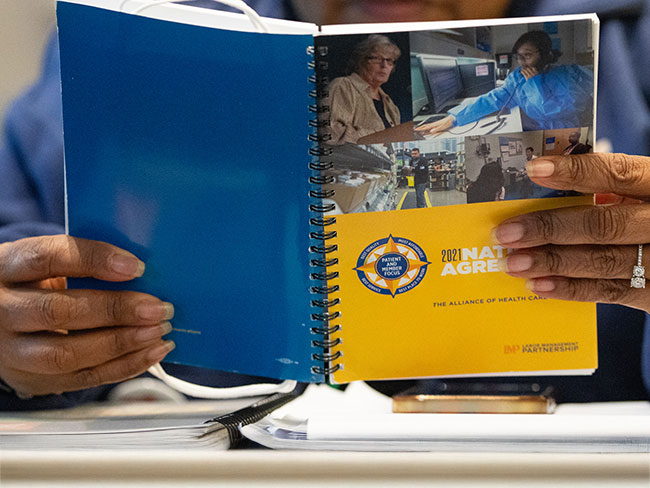
We have a long-standing joint Labor Management Partnership agreement, which provides a framework for how we and the Alliance collaborate, solve problems, and reach agreements. We’ve been successful in bargaining local and national contract agreements with Alliance unions for more than 28 years under the partnership.
Unfortunately, there has been no material movement in national bargaining on key economic issues for months. On December 14, we were compelled to pause national bargaining following an incident involving the United Nurses Associations of California/Union of Health Care Professionals (UNAC/UHCP). After refusing for a month to address the problem it created, UNAC/UHCP has finally released what it claims will resolve the matter as requested. We’ve reviewed it, and the union’s report appears to be a collection of misrepresentations of facts across a broad range of issues, already published news stories, and information we have publicly reported.
Yesterday, we offered the Alliance unions a proposal to move the remaining open national issues to local bargaining. This approach allows each union ready to reach agreement to move ahead, enabling tentative agreements and contract ratification for every bargaining unit.
At the same time, UNAC/UHCP issued notices for an open-ended strike beginning at 7 a.m. local time on January 26 for some of our California and Hawaii facilities.
It is disheartening that UNAC/UHCP leaders continue to talk about improving care, when this strike, and their actions over the past several months, are really all about higher wages.
We are deeply concerned that UNAC/UHCP’s renewed strike plans include withholding critical information needed to ensure safe staffing for our patients. A recent text message sent to some employees states: “The goal is to get Kaiser confused so they don’t know how to staff the hospital.” This explicitly signals an intention to create confusion that could jeopardize patient safety.
We are a health care organization dedicated to health and healing. During a strike, we must continue to safely deliver care to our members and patients. This UNAC/UHCP plan goes against Kaiser Permanente’s mission and the values of our Labor Management Partnership. It goes against everything we’re here for. We have called on the Alliance to reject this dangerous tactic, but they have not responded.
We are also concerned that the union has suggested that their members take alarming steps to prepare for an open-ended strike, such as donating plasma and drawing from life insurance or their retirement accounts to offset lost wages.
Patient care remains our priority
We take any potential disruption to services seriously, and our patients remain our priority. If a strike occurs, we have established plans to ensure our members and patients continue to receive safe, high-quality care.
We hope our UNAC/UHCP represented employees will choose not to strike so we can resolve our differences at the bargaining table and remain focused on providing exceptional care to our members and patients.
Kaiser Permanente has continued productive local negotiations with local Alliance unions not involved in the December UNAC/UHCP incident — and significant progress has been made.
Our focus remains on reaching agreements that recognize the vital contributions of our employees while ensuring excellent, affordable care. We have proposed 21.5% wage increases — our strongest national bargaining offer ever — and we are prepared to close agreements at local tables now. Employees deserve their raises, and patients deserve our full attention, not prolonged disputes.