July 22, 2026
More older adults could benefit from PACE
The program helps people have more good days and live independently. Policymakers should take steps to expand it.
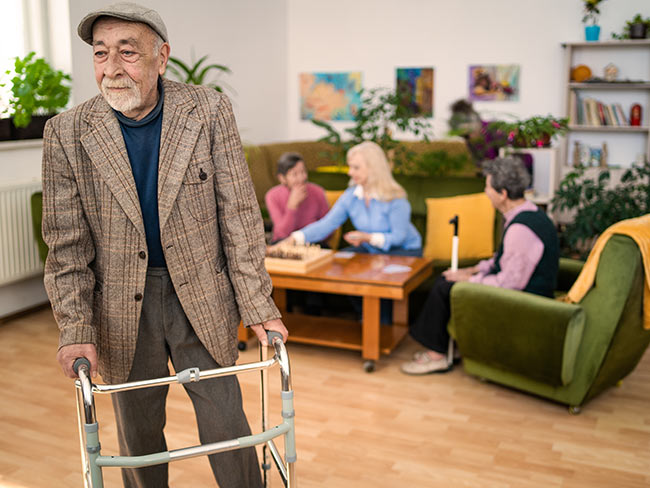
Jim Burke was an avid walker and fiercely independent older adult. He lived at home. But when he had a stroke, his quality of life declined.
He could no longer cook or drive to medical appointments.
Burke’s experience isn’t unique.
In the U.S., 1 in 5 older adults live alone without access to a vehicle. In some communities, that can mean going without groceries, missing medical visits, and losing vital social connections — all essential to staying healthy.

1 in 3 older adults
Feel lonely

1 in 5 older adults
Skip appointments due to lack of transportation

1 in 11
Struggle to get healthy food
By 2050, more people like Burke will face these challenges, as the number of older adults in America will double.
A joint Medicare and Medicaid program called PACE changed Burke’s life. With the right policy support, PACE could do the same for millions more people.
After a stroke, Jim Burke struggled to walk and felt isolated. Then he was referred to a PACE center, and everything changed.
PACE helps older adults stay independent
PACE stands for the Program of All-Inclusive Care for the Elderly. It’s funded primarily through Medicare and/or Medicaid.
PACE helps eligible older adults stay in their homes and communities instead of moving to a nursing home. It brings together health care and other services so people can live safely, stay active, and get the support they need.
Depending on a person’s needs, PACE may cover:
- Medical care
- Social services
- Transportation
- Nutrition support
- Recreational and social programs
- Care in the home, such as meals and help with daily activities
People enrolled in PACE get a team of health care professionals who work together to support their health and daily life.
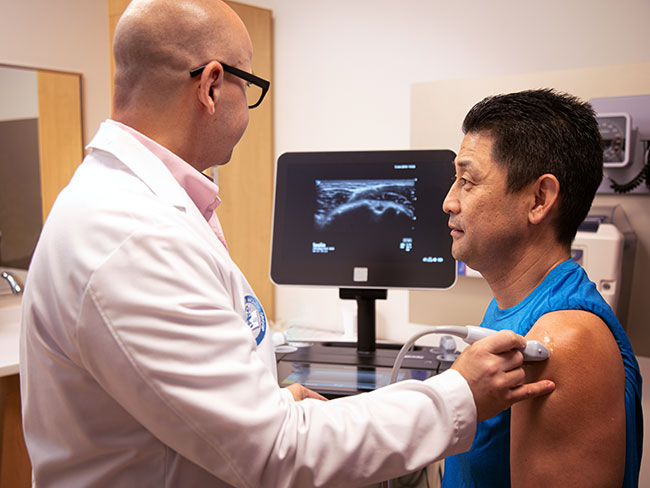
Older adults can go to a PACE center for primary care, physical and occupational therapy, meals, and activities, as well as help with personal care. It’s all in one place, with people who know every individual’s needs.
PACE delivers results
Research shows that PACE can help older adults stay healthier and remain in their homes and communities longer. It can also reduce stress for family caregivers.
Studies have found that:
- PACE participants have a 24% lower hospitalization rate than their peers
- 80% of participants who screened positive for depression no longer showed symptoms after 9 months in PACE
- PACE participants have lower mortality rates than their peers
Not enough older adults can access PACE
About 2 million older adults qualify for PACE, but only about 4% are enrolled.
Many eligible older adults don’t participate because they:
- Don’t live near a PACE center
- Don’t know the program exists
- Don’t have Medicare or Medicaid to help pay for the program
- Worry they’ll lose access to their doctor
Habitat Health is working to grow the PACE model over time and expand into new communities. This will help close the participation gap and enable access for more eligible older adults.
Over the next decade, Habitat Health aims to improve care and quality of life for the growing number of older adults who need it most.
What policymakers can do
Policy leaders play a key role in expanding access to PACE. They can:
- Increase access to PACE. There are a number of ways to create greater flexibility for PACE centers to allow more to establish and grow, while still preserving care quality. Examples include requiring every state to offer PACE to its residents, giving PACE participants the ability to choose between multiple PACE organizations no matter where they live, and ensuring timely approvals for new PACE centers.
- Support policies that help grow the health care workforce. Staffing shortages are often common in health care, and PACE is no exception.
- Support public education and outreach about PACE. Many stakeholders, including eligible adults, caregivers, and policymakers, are not familiar with PACE. Information on how PACE programs compare to each other and to other forms of Medicare and Medicaid coverage is not standardized or publicly available. Policymakers and public agencies can help.
Policy action can unlock PACE and models like Habitat Health to reach more older adults, improving health, independence, and connection.