July 21, 2026
How medical respite helped Demetrius heal and find a home
We provide financial support to give homeless patients a safe place to heal and recover.
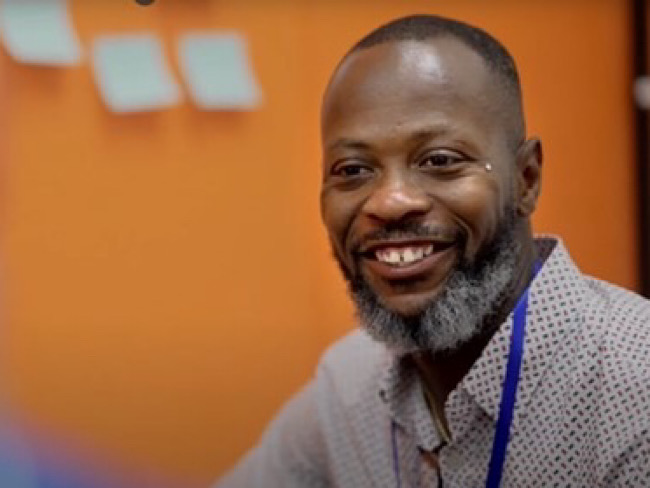
Medical respite helped Demetrius Williams heal after an accident and set him on a path to stable housing.
Demetrius Williams didn’t know if he’d live after the car crash.
He broke both legs, an arm, and 11 ribs. His aorta was punctured in 2 places and his hip was crushed.
“It was a really bad situation,” said Williams, who was 50 at the time of the accident.
The hospital care team kept him alive and put him back together.
In the hospital, he had everything he needed — a bed, meals, care, and people checking on him.
But outside was different. He worried about what would come next.
Healing takes more than time
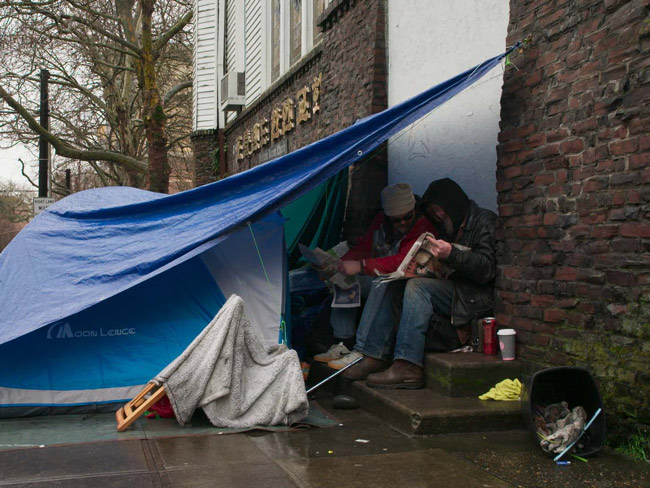
Williams didn’t have a home. He didn’t even have clothes to leave the hospital in. He’d been sleeping in his car.
Williams was referred to a medical respite program run by the Colorado Coalition for the Homeless, a nonprofit in Denver.
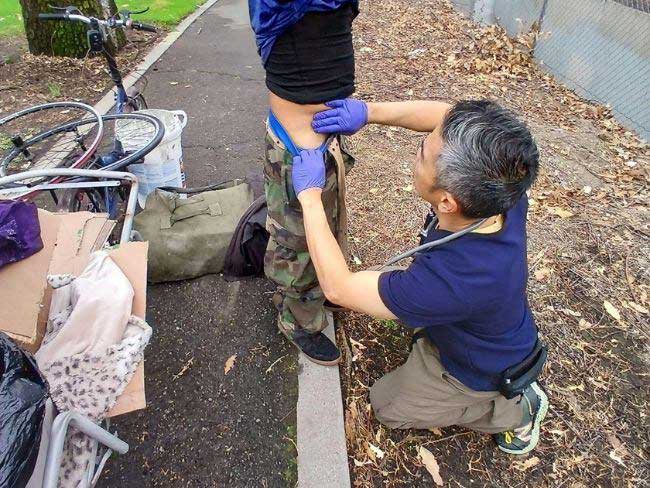
Medical respite programs provide short-term housing and care for people who are homeless and recovering from illness or injury.
“We know people heal better after being hospitalized when they have a safe place to rest and steady support,” said Pamela Schwartz, executive director of community health at Kaiser Permanente. “Medical respite gives people that chance, and that’s why it’s so important that we help fund these programs.”
Since 2022, we’ve contributed more than $14 million to medical respite care organizations. That support has reached over 9,300 people. As a nonprofit health care organization, we provide funding and support to programs that improve the health of the communities we serve.
I have everything I need because of this place. It saved my life. Demetrius Williams
Short-term housing and support
Medical respite programs fill an important need because homeless patients often have complex health needs. They’re more likely to return to the emergency room or have longer stays.
By providing stable housing and consistent care, medical respite helps remove some of the barriers that can make recovery harder, longer, and more costly.
Recovery wasn’t easy for Williams.
“I’m filled with metal,” he said, describing the rods and pins holding his bones together.
Medical respite allowed him to focus on getting better.
“I went to physical therapy twice a week instead of once a week,” Williams said.
Doctors originally thought it would take 3 years for him to walk again.
“Within 12 months, I was walking.”
‘It saved my life’
The medical respite program helped Williams get a housing voucher and food benefits.
Today, he lives in a townhouse. He’s been able to improve his credit and has dreams of owning his own home.
For people like Williams, medical respite is a bridge from hospital to housing.
“I have everything I need because of this place,” Williams said. “It saved my life.”