May 11, 2026
Air quality program now at East Denver Medical Offices
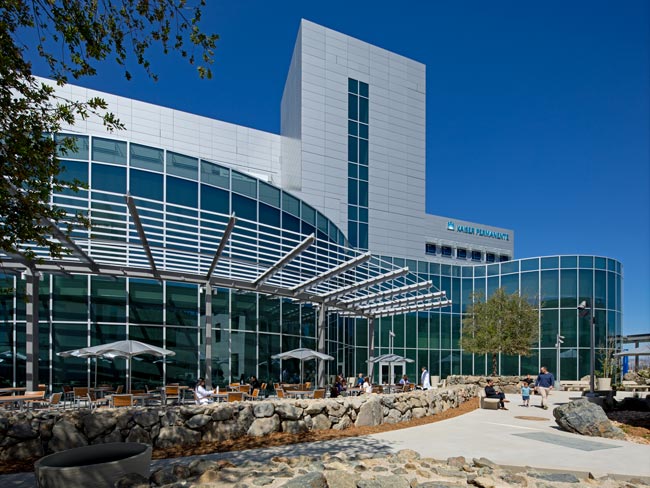
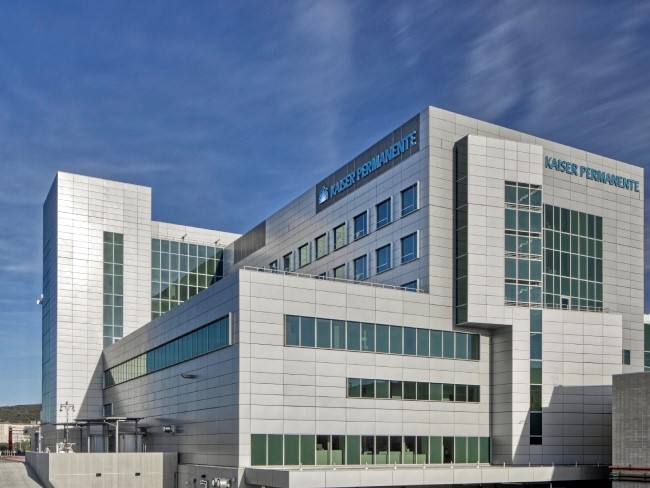
Kaiser Permanente supported the Denver Department of Public Health & Environment’s Love My Air program expansion to 3 medical offices and community clinics.
In the spring of 2026, Kaiser Permanente members may have seen workers installing a small, colorful box high on a light pole in the Kaiser Permanente East Denver Medical Offices parking lot. Despite its modest appearance, the box will be an important tool for the health of the metro Denver community.
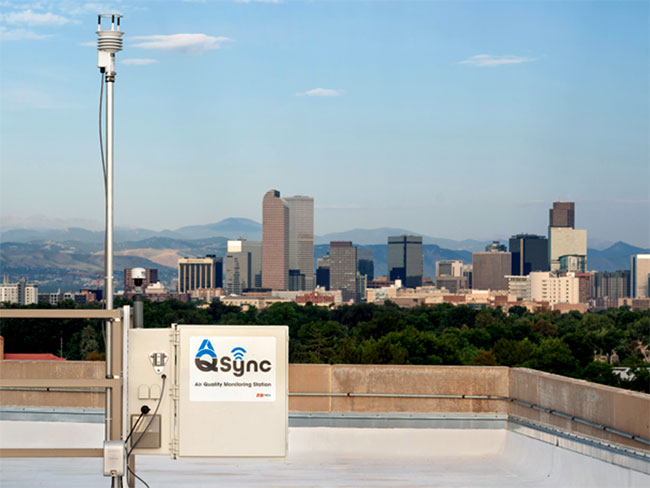
The box is an air quality monitor. It reads and distributes hyperlocal, real-time air quality information. It’s part of a recent expansion of the Denver Department of Public Health & Environment’s Love My Air program into health settings around the city.
How Love My Air works
A hockey puck-sized fan sucks outside air into the box through a tube. A computer reads the air for pollutants including ozone, nitrogen oxide, and other small particles that can make it harder for people to breathe.
Nancy Fitzgerald, program specialist for Love My Air Denver, explains that inside the medical offices, “… we have 2 interactive kiosks that display the data from outside so people can see what's going on in the air they're breathing right now.”
People can also access information from the new monitor and others around metro Denver through the free Love My Air mobile app.
Expanding to health clinics and beyond
The Denver Department of Public Health & Environment started the Love My Air program in 2018.
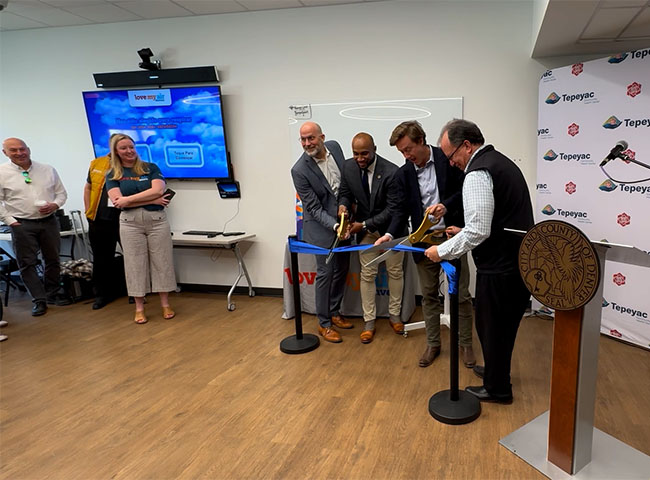
In 2025, the program announced it was expanding its air quality monitors and educational kiosks to clinical settings, in part thanks to grant funding from Kaiser Permanente. The expanded monitoring locations included Tepeyac Community Health Center, Inner City Health, and the Kaiser Permanente East Denver Medical Offices.
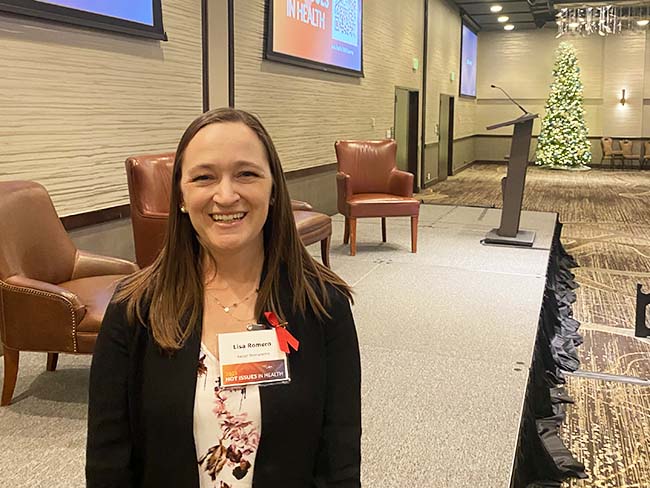
“We know when that information comes from a source like people's doctor's office or a clinical expert, they're more likely to take action to protect their own health,” said Lisa Romero, senior manager of Community Health, Kaiser Permanente.
Kaiser Permanente has also supported other metro Denver governments in developing their own Love My Air programs.
“We really focus on improving the health of our members and the communities we serve,” said Romero, “And we know that air quality is one of the factors that can really impact people's health.”
On the days when I'm working, and there's poor air quality from a wildfire or from ozone, I don't go for my lunch walk. Those are the days I would make a choice to stay inside. Chris Fellenz, MD, director of safety-net partnerships for Kaiser Permanente in Colorado
Air quality information and health
Lung issues are a top concern on bad air quality days — particularly for people with asthma, COPD (chronic obstructive pulmonary disease), or allergies.
Chris Fellenz, MD, director of safety-net partnerships for Kaiser Permanente in Colorado, said air quality information should be an important part of people’s healthy routines.
“Asthma rates increase in communities where there's poor air quality, or during time periods when there's poor air quality,” he said. “We see more heart attacks, and we actually see more deaths as a result of poor air quality.”
Dr. Fellenz recommends paying attention to mobile apps, websites, or Love My Air kiosks where available to make healthy decisions.
“On the days when I'm working, and there's poor air quality from a wildfire or from ozone, I don't go for my lunch walk,” he said. “Those are the days I would make a choice to stay inside.”