September 3, 2026
30 years later: One therapist’s career dream rediscovered
Melandie Smith-Austin paused getting her license. Decades later, Kaiser Permanente is helping her finish what she started.
Melandie Smith-Austin, 2026 Mental Health Accelerator participant
When Melandie Smith-Austin earned her master's degree in clinical psychology, she never imagined it would take more than 30 years to get her license.
After graduation, she worked full-time in child welfare and completed her training hours at night. She was on track to become a licensed therapist.
But becoming a therapist wasn’t the only thing on her plate. She got married. She wanted to start a family. A full-time job, a baby, and the long road to licensure didn’t all fit.
The license had to wait.
But the goal never went away.
“It was something I started and didn’t finish,” she said.
Where many get stuck
Smith-Austin isn’t alone. Many people earn a master’s degree in mental health but never get licensed.
There are real world issues that make it hard to finish the licensing process, including:
- Low pay while logging clinical hours
- Busy schedules and family demands
- Complex requirements that vary by state
- The pressure of high-stakes exams
How Kaiser Permanente is helping
Across the country, communities need more mental health care, but there aren’t enough licensed clinicians to meet the demand.
That’s why Kaiser Permanente partnered with the National Council for Mental Wellbeing to create the Kaiser Permanente Mental Health Career Accelerator.
It helps graduates complete the steps to licensure so they can start caring for patients. Participants get:
- Up to $10,000 over 2 years for things like exam fees, clinical supervision, or professional development
- Exam prep, training, and mentorship
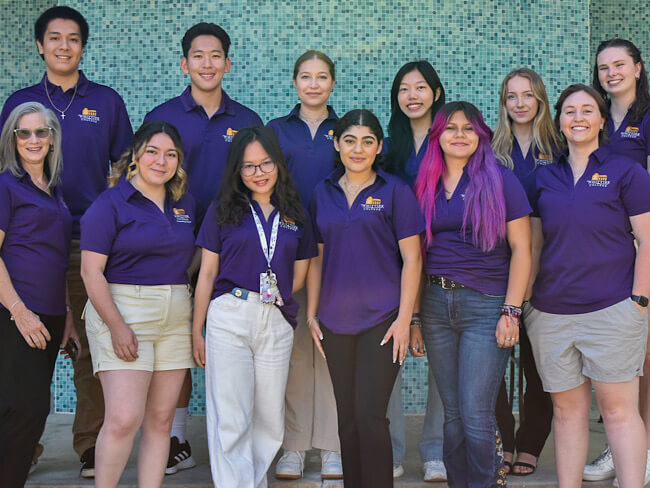
- A peer community for asking and answering questions and sharing advice
Since 2023, the program has grown to 7 states. People in the program have already cared for more than 40,000 patients. The goal is to enroll 1,000 people by 2028.
Community support can make a difference
For Smith-Austin, joining the career accelerator meant she didn’t have to do it alone.
The program gave her structure, support, and a community. It helped her stay focused and follow through.
Before joining the accelerator, she had signed up for an important exam 3 times. Each time, she rescheduled.
“It was anxiety,” she said.
After joining the accelerator, she set another exam date. This time, she took it.
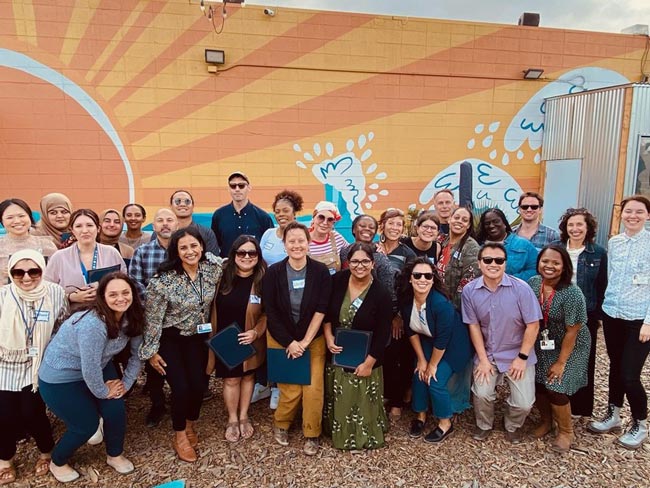
She passed. She celebrated with her peers in the program.
It’s never too late
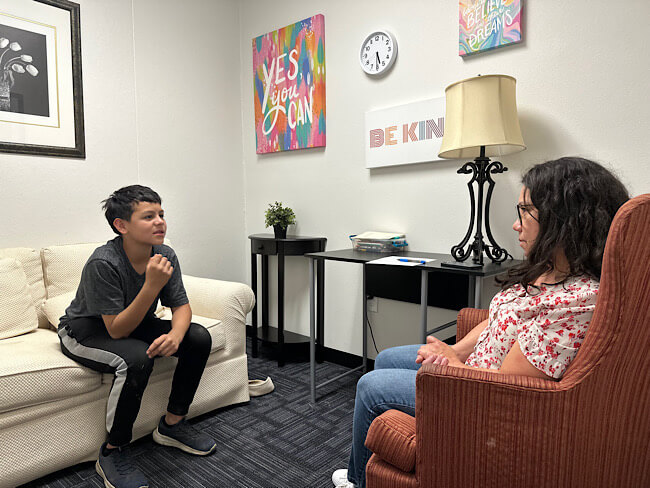
Today, Smith-Austin is working toward her license and providing direct care. She is also earning her doctorate in social work.
She wants to make a difference in every part of mental health care: for the people who need it, the places that provide it, and the policies that shape it.
Her story is also a message to others. It’s not too late to start again.
Learn more about the career accelerator and see if you’re eligible to join the program. Applicants are not given preference based on race, ethnicity, sex, or other protected personal characteristics.