Food is medicine
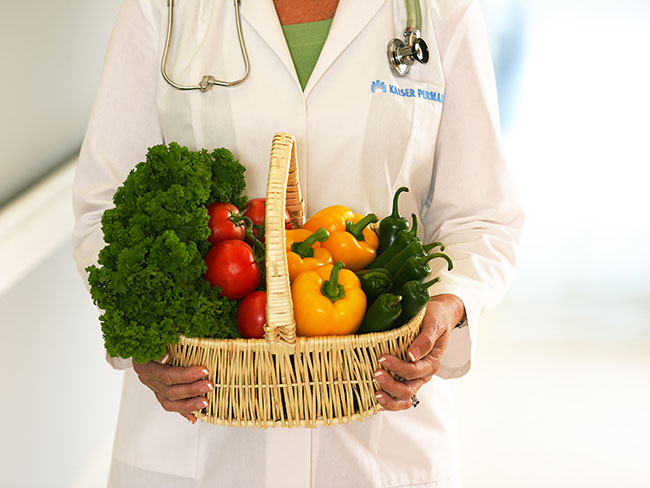
What you eat has a big effect on your health. When healthy food is easy to find and afford, it’s easier to manage health conditions, recover from illnesses, and stay well.
Food Is Medicine is a national movement to use healthy food as a tool to treat and prevent diseases. At Kaiser Permanente, we’re engaged in this work through our Food Is Medicine Center of Excellence.
The center helps develop and design programs, train care teams, and connect with community groups and local organizations.
Our impact
We work with community organizations, local food providers, and care teams to help our members and people in our communities get the nutrition they need to be healthy.

3.7 million
members screened for basic needs like access to housing and food in 2025

110,000
members helped in applying for government-funded grocery benefits in 2025

87,000
people received support accessing healthy food in 2025
Our programs
Screening and referrals
We ask our members if they have enough food or worry about running out. When our members need help, we connect them to local programs, food banks, and other resources through the Kaiser Permanente Community Support Hub®.
Produce and grocery programs
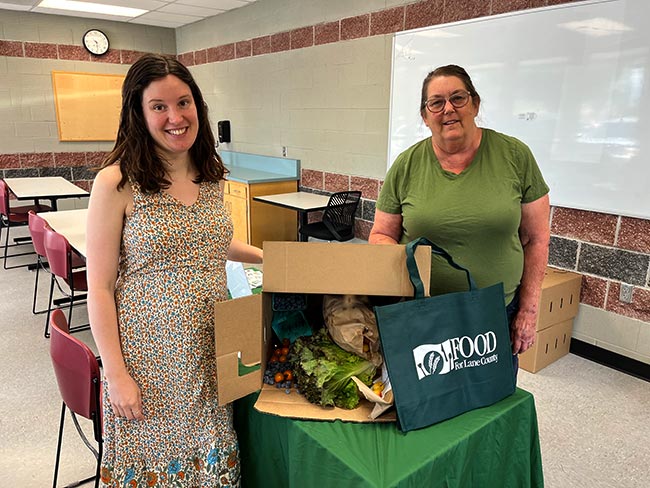
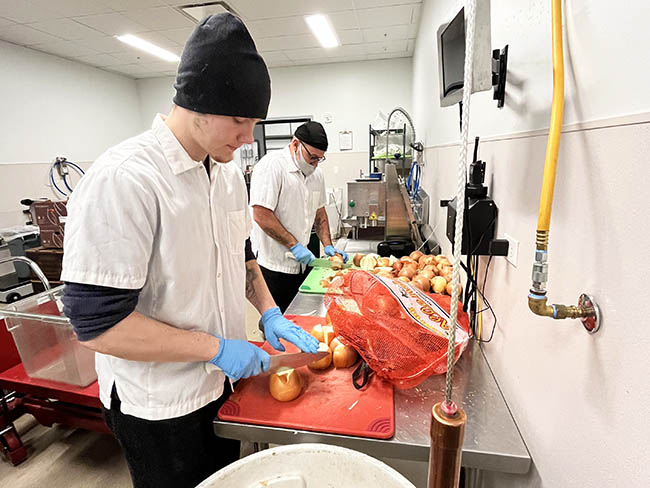
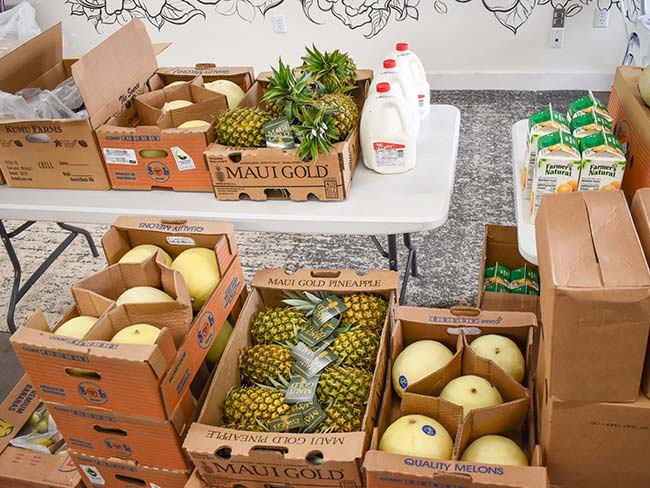
We work with local organizations to provide healthy groceries, including fresh fruits and vegetables. This helps bring more nutritious foods into people’s daily lives.
Medically tailored meals
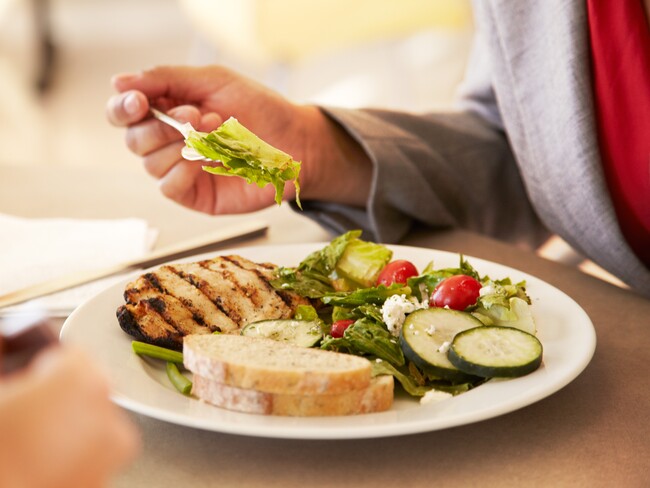
We offer programs that provide meals designed for people with specific health conditions. These meals help people manage their health.
Community partnerships
We invest in local and national efforts that make healthy food easier to find and more affordable. This work helps more people get the food they need to stay healthy.
Melanie’s story: Healthy food as part of care
A Kaiser Permanente nutrition program helped Melanie Ross manage her diabetes.
Food Is Medicine Toolkit
Kaiser Permanente and the Food Is Medicine Institute at Tufts University developed a toolkit. It helps clinicians, health care leaders, and communities build programs that use healthy food to prevent and treat disease.
The toolkit shows how to design programs, integrate food into care, and measure results.